Can You Make a 3D Game If You Don't Know How to Do Anything?
When I published my article How to Start Making Games When You Don’t Know Anything Yet a friend of mine said, “Well, that’s just choosing between options, simple browser games. That’s easy. But making a proper game, in 3D, with actual graphics, that’s a completely different story.”
I didn’t have much to say to that at the time, but it got me thinking. Is it actually possible to make a 3D game on your own these days if you can’t model, can’t code, and barely understand how game development works? But you know what you want to achieve and have AI to help you.
A couple of weeks ago, I finally got around to trying it.
I wanted to use as many free tools as possible. The only thing I paid for was Codex, which is included in my regular $20 ChatGPT subscription. The whole game took three weekly usage limits. So, rounding very generously, about $15.
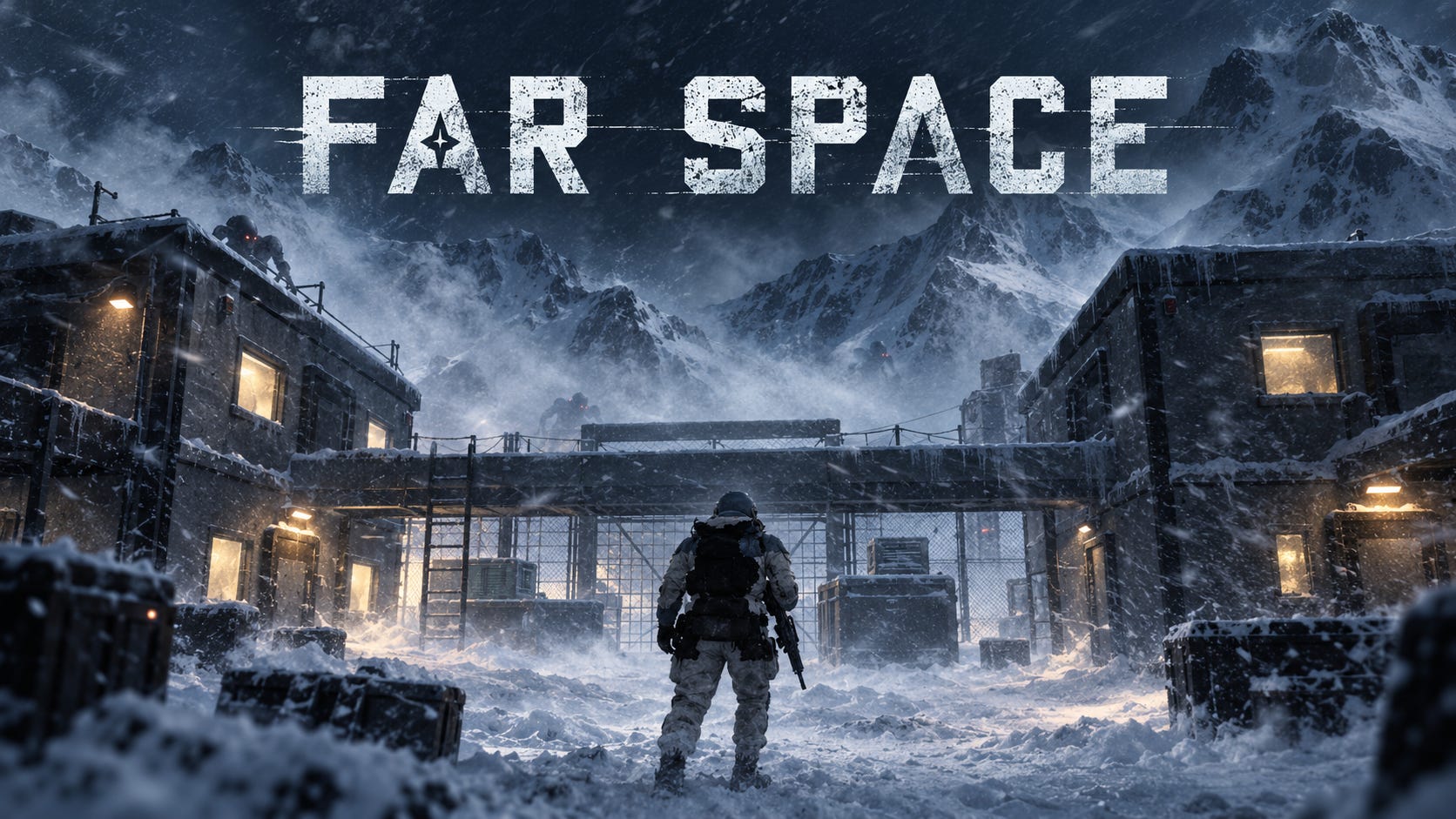

I set myself a goal: make an intro to a game inspired by Mass Effect. It needed shooting, dialogues, a simple story, cutscenes, and the ability to move freely around a location. Basically, a very basic mix of an RPG and a shooter.
And importantly, I wanted it to run in a browser. You could do the same thing in Unity, since you can connect AI tools there too. I just didn’t want to deal with different platforms.
I wasn’t trying to make a masterpiece, but I wanted to try every part of game development.
I’d suggest reading the article first and playing the game afterward. But if you’re really curious, here’s what I ended up with:
https://buildtounderstand.itch.io/far-space
So, let’s begin.
I started by describing what I wanted to make: a rough story, cutscenes, what should happen in them, how the camera should move, what weapons and enemies there should be, how the combat mechanics should work, and so on.
I wrote about one A4 page, gave it to ChatGPT, and it turned my description into a complete prompt for building the first version.
A couple of hours later, the first version was ready. It looked something like this:
After a couple of days of improving the gameplay, the game worked more or less the way I wanted. You could play it from beginning to end, following roughly the same flow I had imagined.
Here’s what the game looked like at that point:
It was time to turn those ridiculous rectangles into actual characters and add some textures.
To keep all the generated models and textures consistent, I created a file describing the visual style (or rather, asked ChatGPT to create one).
For references, I used scenes from Star Wars, specifically the Battle of Hoth from Episode V.
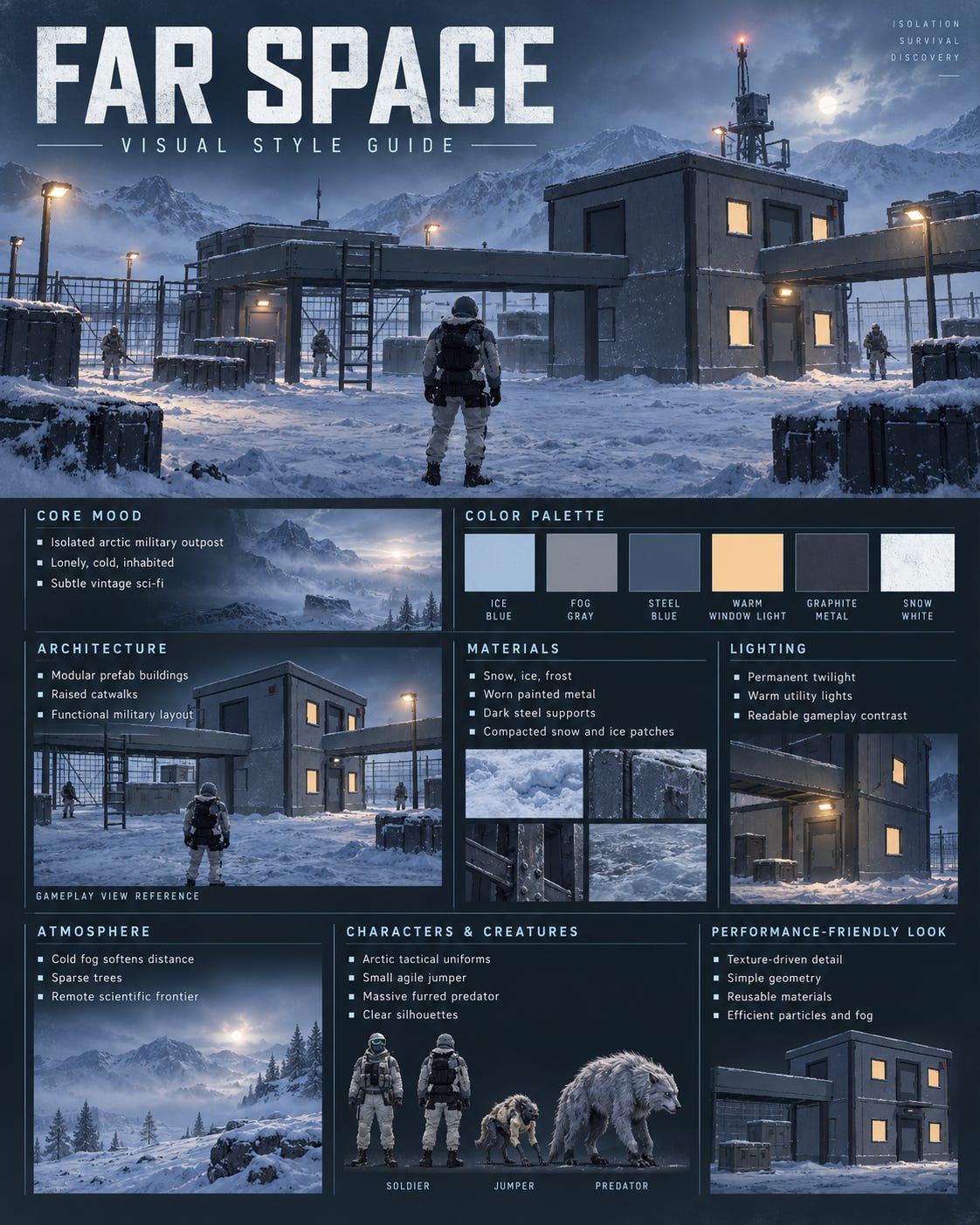

I already had a prototype, but the models looked way too simple. I wanted the movements to feel natural and the characters to look more like something from a proper game.
After a few experiments, I managed to put together a workflow that worked pretty well.
First, I generated an image of a character in ChatGPT. I used an A-pose, but I should have used a T-pose. That would have made the next steps much easier.
So, here are the soldier and the main character:
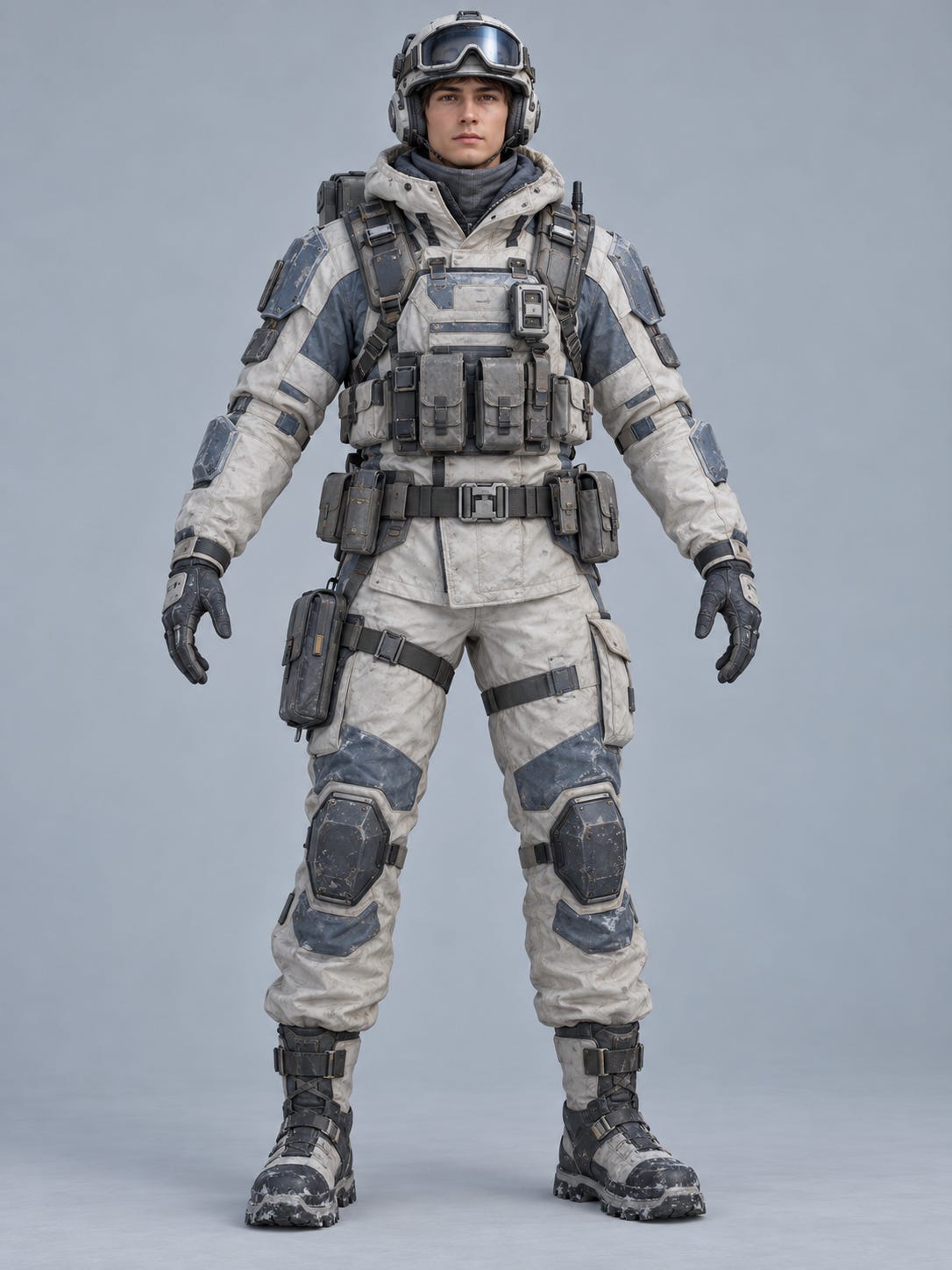

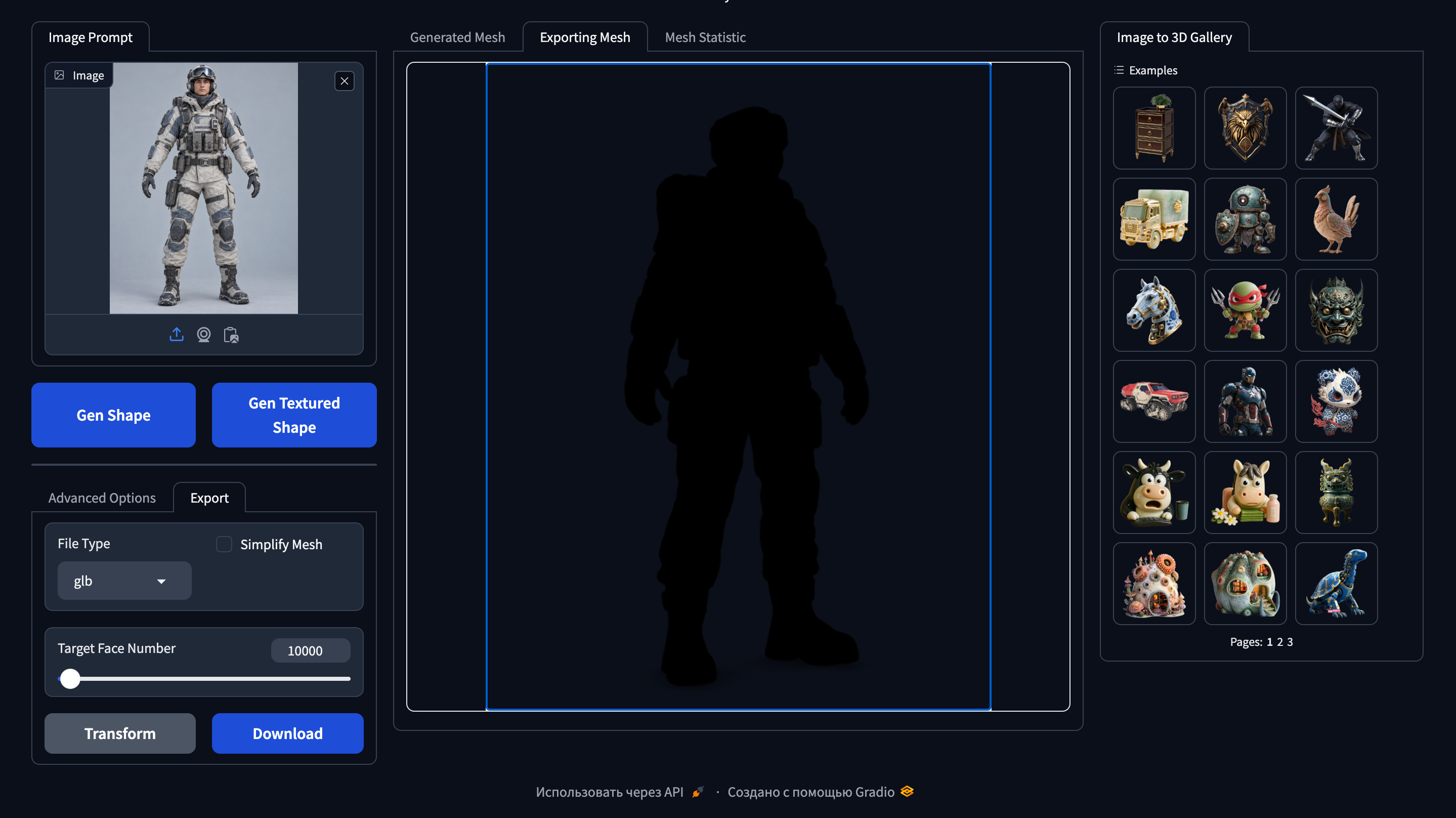
Next, I uploaded the image directly to Hunyuan3D, and there it was, a 3D model without textures, ready to download for free.
I should mention that there are services that let you generate 3D models with textures and animations right away, but I couldn’t find a free option. And in the end, I learned how to make reasonably decent animated characters myself.
One small catch: Hunyuan exports models in GLB format, while Mixamo requires FBX. I asked Codex to convert the file, but you can also do it manually in Blender.

For animation, I used Adobe’s free service, Mixamo.
You can animate your own characters using standard movements like walking, running, shooting, sword fighting, and so on. For a demo game where you just want to test a concept, it’s exactly what you need.
It’s designed to work with characters in a T-pose, so if you decide to follow the same process, keep that in mind. Otherwise, you might run into some pretty funny animation bugs.
To be fair, this is where I spent the most time, choosing exactly how each character should move (although it probably would have been easier to just use an animation pack instead of picking everything individually).
One funny thing: I couldn’t find a simple, free way to animate four-legged predators. So one of them turned into a jerboa, and the other into Godzilla, just so they could move on two legs.
At this point, the game looked something like this:
Anyway, the characters and predators were ready. Time to add some sounds and effects to make everything feel real.
At first, I asked Codex to handle it. It correctly figured out which sounds were needed: gunshots, wind, sirens, and so on.
But the result was too crude. It didn’t create the right feeling. And after all, a game designer’s job is primarily about creating feelings for the player.
So I had to choose some of the sounds myself. I used a free sound library, Freesound.
This turned out to be a surprisingly big part of the work. I didn’t expect it to take several evenings.
And in general, the game looked something like this. Sometimes the characters’ arms twisted in impossible directions, sometimes the gun floated next to the character, and sometimes random visual artifacts appeared.
I also completely rewrote the dialogues. For some reason, AI couldn’t make them sound human or give different characters distinct personalities (maybe I couldn’t either, but at least I tried).
I spent about three days fixing bugs and another couple of days just adding more atmosphere: thicker fog, snowfall, music, and extra cutscenes.
And in the end, I managed to create what I wanted.
It’s not a masterpiece, but it’s a playable game made by someone who doesn’t know how to create 3D models or animate them.
I managed to build the whole thing from scratch, starting with just an idea, in about 10 days. All by myself. And I think I got to keep the most interesting parts for myself: the atmosphere, the story, and the visual style.
In the past, making even a small indie game demo required a decent understanding of the technical side of game development. Now you can figure out a lot of things simply by experimenting with your own game.
And I think that’s a lot more fun. Especially if you’re just getting into game development.
I’d compare what’s happening now to the evolution of music recording.
Back in the days of The Beatles (or even Nirvana), recording an album required a huge studio and a whole team of people. Billie Eilish’s album, on the other hand, was recorded in a bedroom on a laptop.
And both are great.
It feels like we’re living in a wonderful time, with more and more good games being made.
So if you’ve always dreamed of making your own game, now seems like a pretty good time to give it a try.
P.S. And if you haven’t tried the game yet, now’s the time. Here’s the link.
https://buildtounderstand.itch.io/far-space
And a short game trailer put together by AI: