Smartphone data order faces first constitutional test in Japan | The Asahi Shimbun: Breaking News, Japan News and Analysis

- [Twitter](http://twitter.com/ajwasahi "Twitter")
- [Facebook](https://www.facebook.com/AJW.Asahi "Facebook")
Language)
- 日本語
- English
- HOME
- Politics
- Business
- China
- World
- Culture
- Style
- Food
- Movies
- People
- Travel
- Sports
- Opinion
- Views
- Special
> article
Smartphone data order faces first constitutional test in Japan
By SAORI KURODA/ Staff Writer
October 27, 2026 at 15:37 JST
- Share;)
- Print;)
!Image 2: Photo/Illutration_The Central Government Building in Tokyo housing the Tokyo and Supreme public prosecutors offices (Asahi Shimbun file photo)_
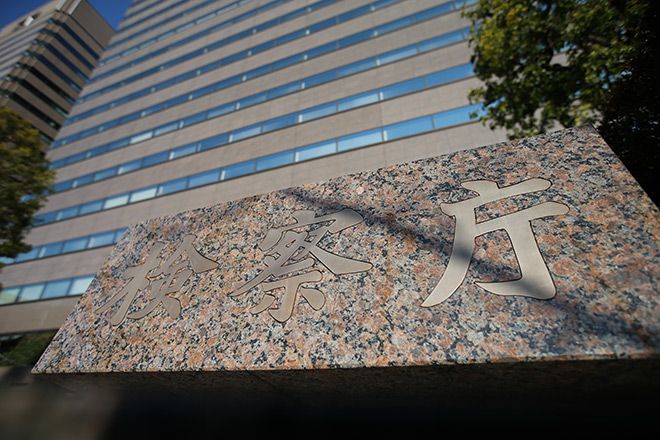
Japan’s first prosecution for refusing a court order to provide smartphone data is raising questions about whether compelling suspects to hand over digital evidence violates their constitutional rights.
A man in his 30s in Tokyo was indicted in July after refusing to unlock a seized smartphone. At his first hearing at the Tokyo District Court in September, his lawyers argued that “the order is invalid.”
They said his refusal was “based on his constitutional rights and was therefore justified,” and sought his acquittal.
Smartphones contain vast troves of private information, including call and location histories and chat exchanges.
Even before the new system took effect, concerns were raised that compelling people to provide such data would violate their constitutional right not to be forced to testify against themselves.
The man was initially indicted in July for allegedly filing a false application for a foreign national’s status of residence, in violation of the Immigration Control Law.
Because prosecutors did not know the password to a smartphone seized from the man, they obtained a warrant from a Tokyo Summary Court judge ordering him to provide “all data recorded on the smartphone.”
When he refused to unlock the phone, prosecutors filed an additional charge against him for violating the electronic data production order. His lawyers are also seeking his acquittal on the Immigration Control Law charge.
The electronic data production order was created under revisions to the Code of Criminal Procedure enacted in May 2025 and took effect this May. With a judge-issued warrant, prosecutors and police can order businesses or individuals to provide digital data.
Failure to comply is punishable by up to one year in prison or a fine of up to 3 million yen ($19,040).
According to the Supreme Public Prosecutors Office, the man is the first to be prosecuted in Japan under the system since its introduction.
Related News
- 

- 


- 

- 

- 

- 

- Share;)
- Print;)
* *
Trending Now
Last 24 hours Last 7 days
1. 

2.  3. 

4. 

5. 

6. 

7.  8.  9.  10. 



1. 
2.  3.  4.  5.  6.  7. 




8. 

9.  10. 


Videos
- 

- 

- 

Recommended
- 

YOASOBI A peek through the music industry’s curtain at the producers who harnessed social media to help their idols go global.
- 

Diplomatic Documents A series based on diplomatic documents declassified by Japan’s Foreign Ministry
- 

Memories of Hiroshima and Nagasaki Here is a collection of first-hand accounts by “hibakusha” atomic bomb survivors.
- 

Taste of Life Cooking experts, chefs and others involved in the field of food introduce their special recipes intertwined with their paths in life.
- 

Memories of Nikkei Americans A series about Japanese-Americans and their memories of World War II
Learning English
Link
- About Us
- Privacy
- Transmission of user information to external service providers(利用者情報の外部送信)
Some articles on this website may contain content generated by artificial intelligence programs.
Copyright © The Asahi Shimbun Company. All rights reserved. No reproduction or republication without written permission.